
LED Design, Installation & Control
LED Lighting That Earns Its Close-Up
For more than 25 years we've built lighting for film sets, broadcast studios, and podcast stages. Now we install that same low-voltage, high-CRI craftsmanship permanently — in kitchens, bars, restaurants, home theatres, and studios. Light that looks right on camera, and even better when you're just standing in the room.
What We Light
From Film Sets to Home Theatres
01
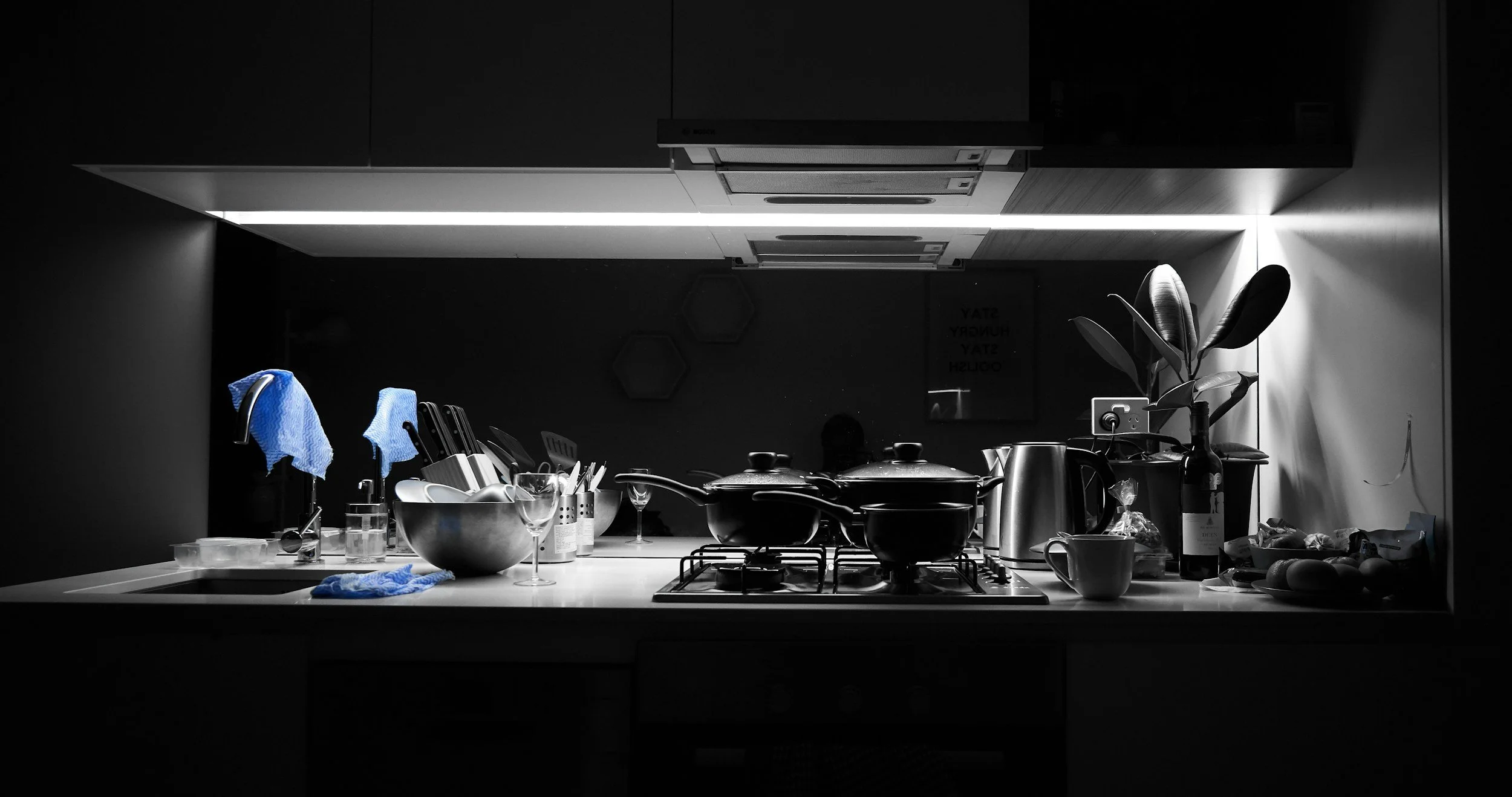
Kitchens & Cabinetry
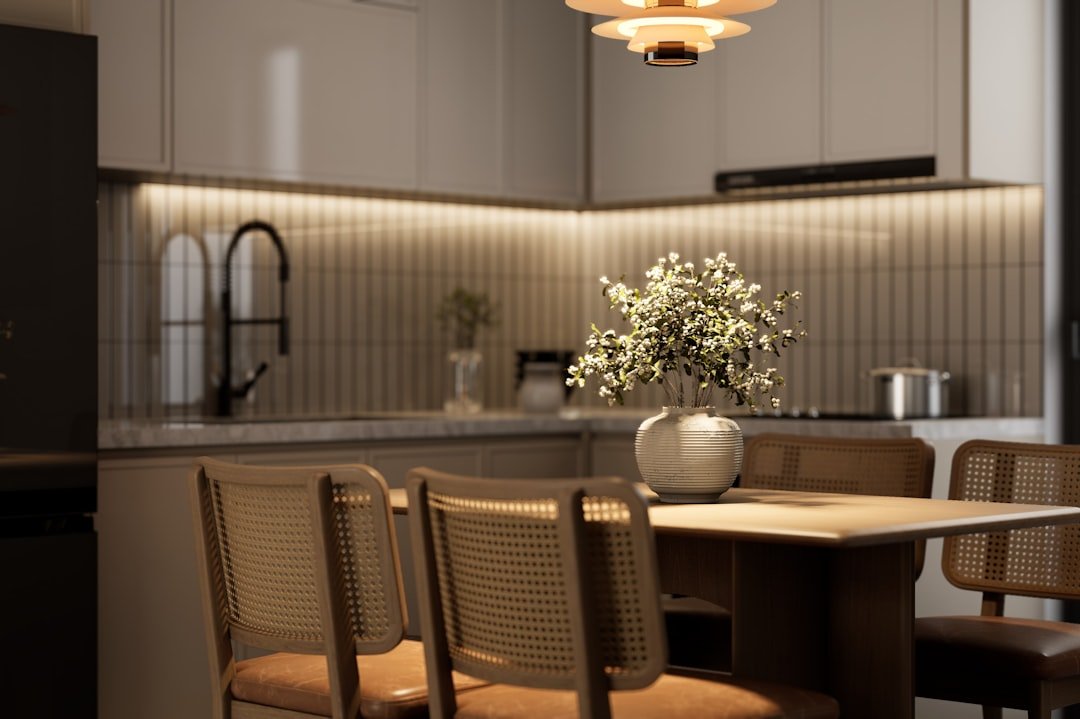
Under-cabinet, toe-kick, and shelf lighting at a CRI high enough to make your countertops, finishes, and food look the way the designer promised — not the way a hardware-store strip light guesses.
02
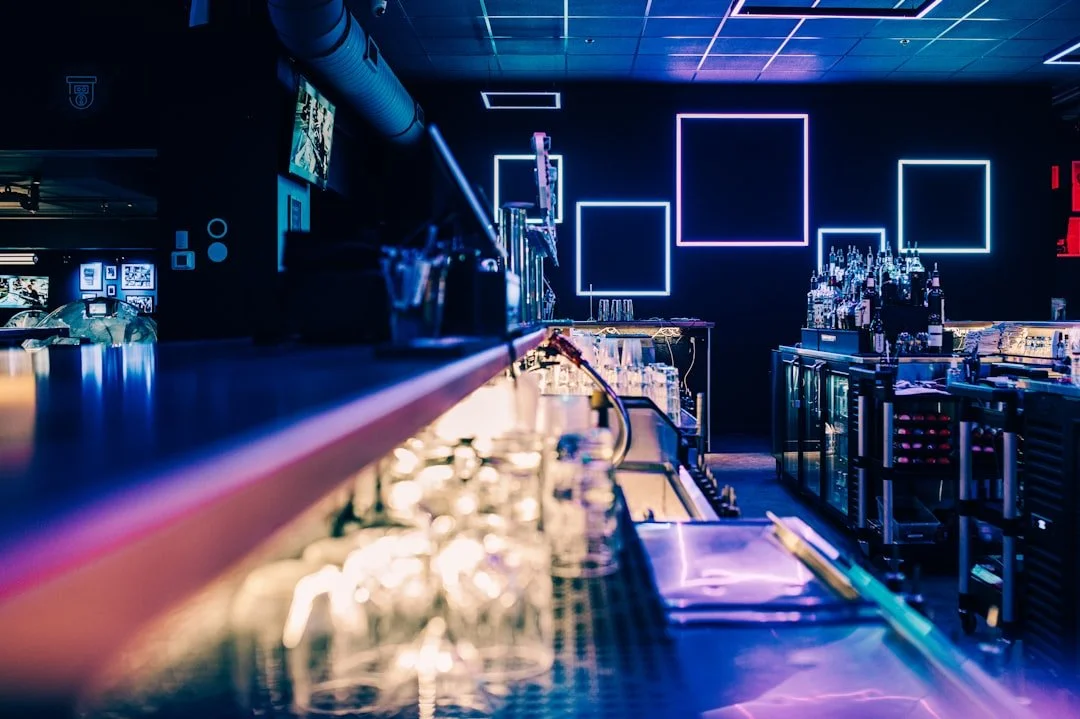
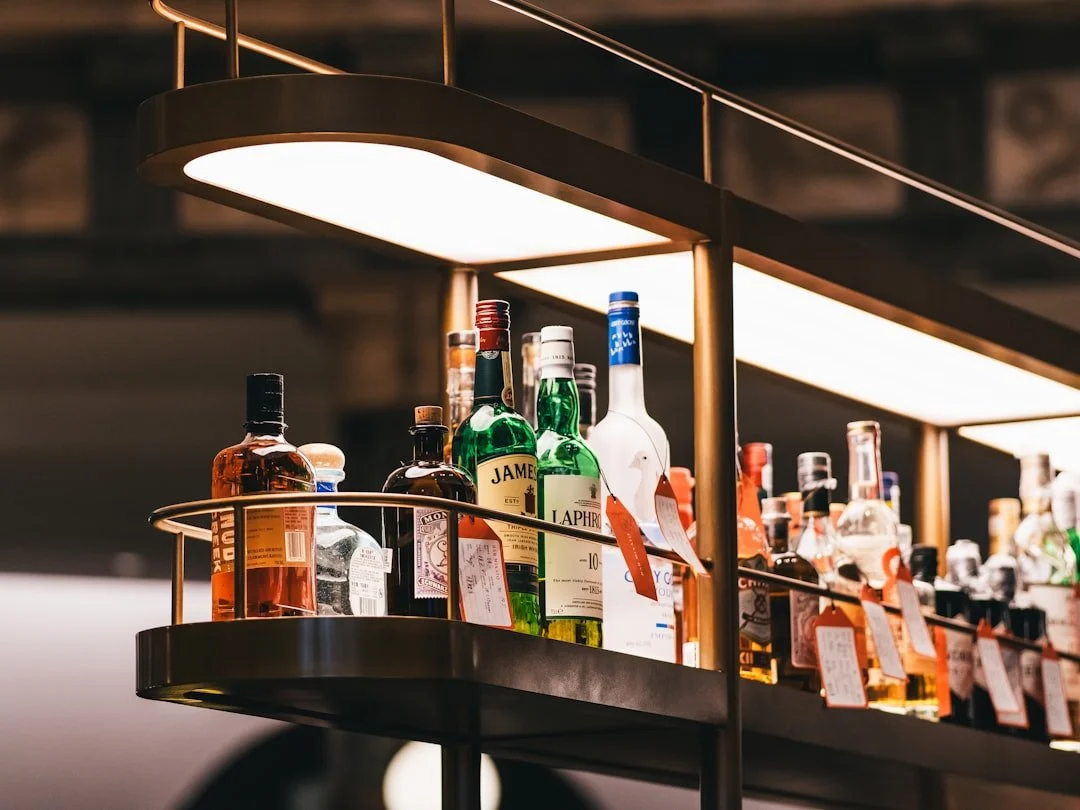
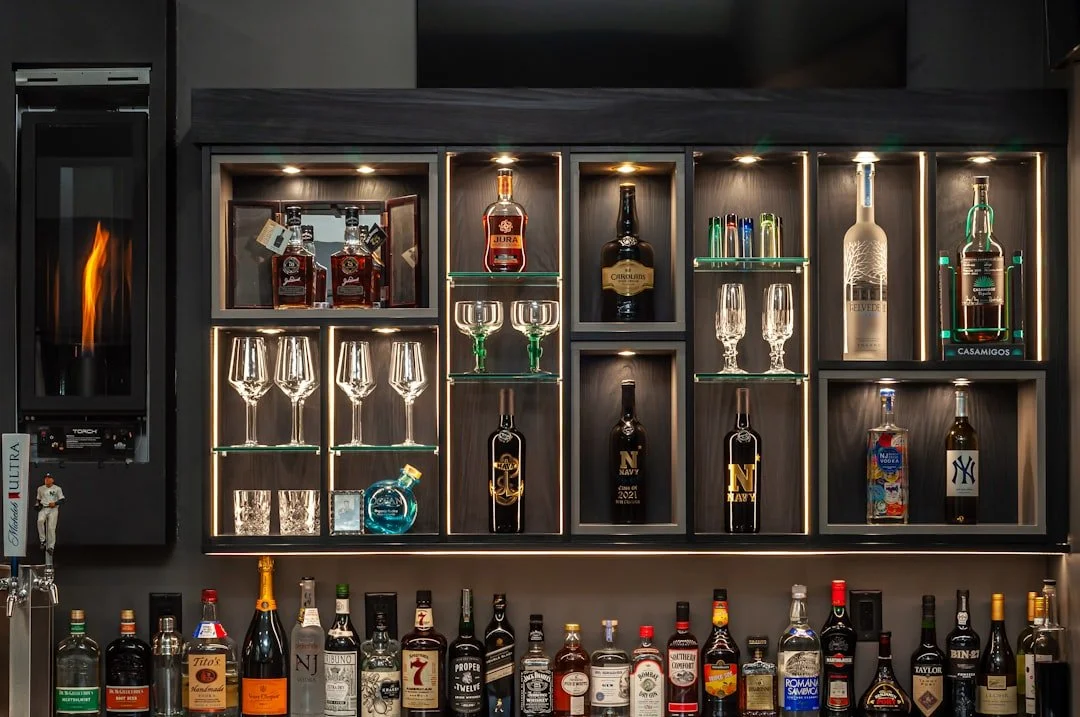
Bars & Restaurants
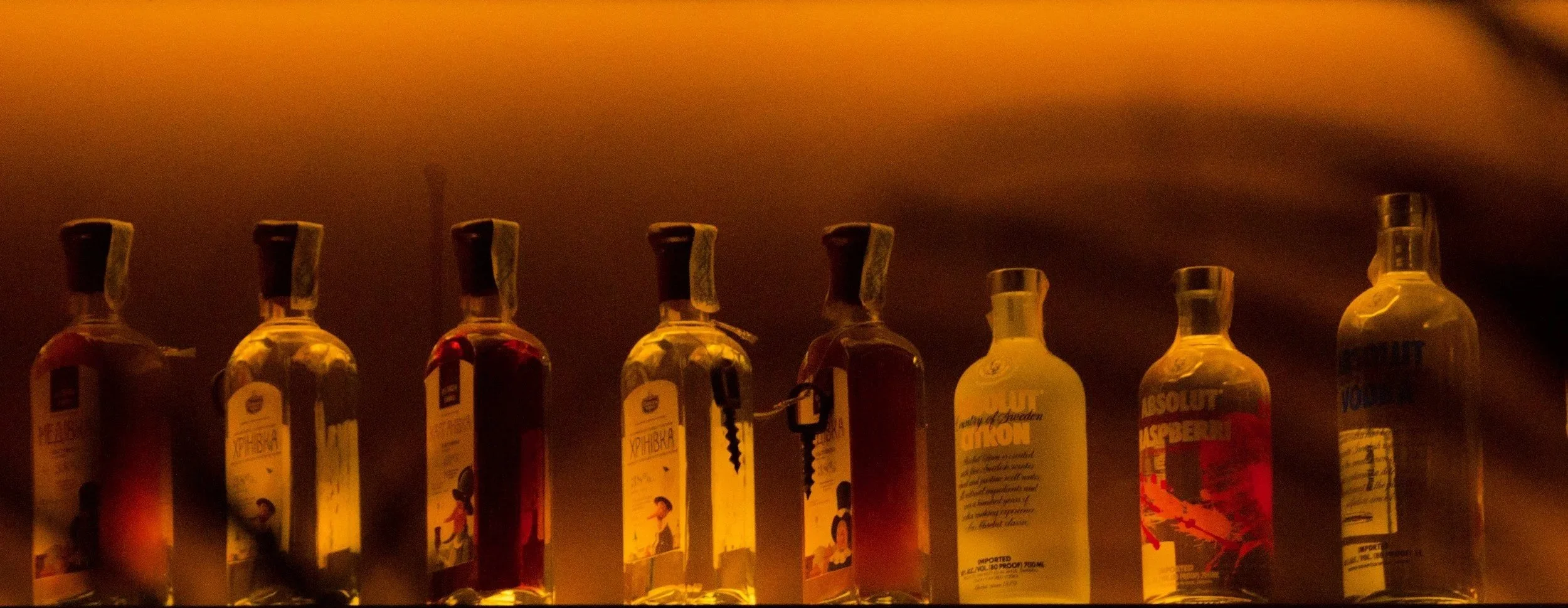
Warm, dimmable systems that set the mood at five o'clock and still look sharp at last call — built to survive a Friday-night rush and a Monday-morning inspection.
03
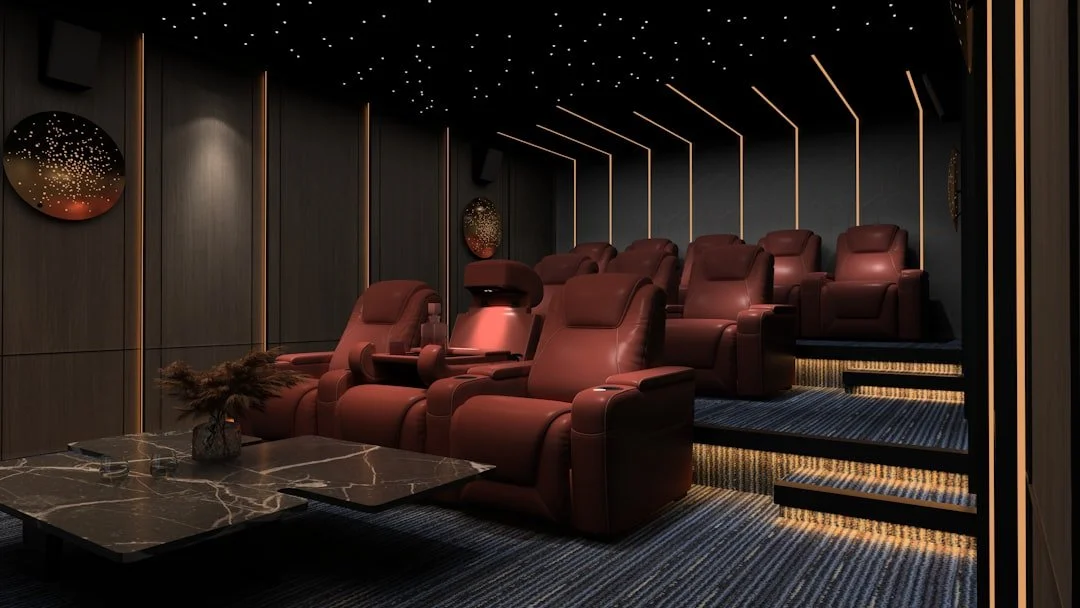
Home Theatres
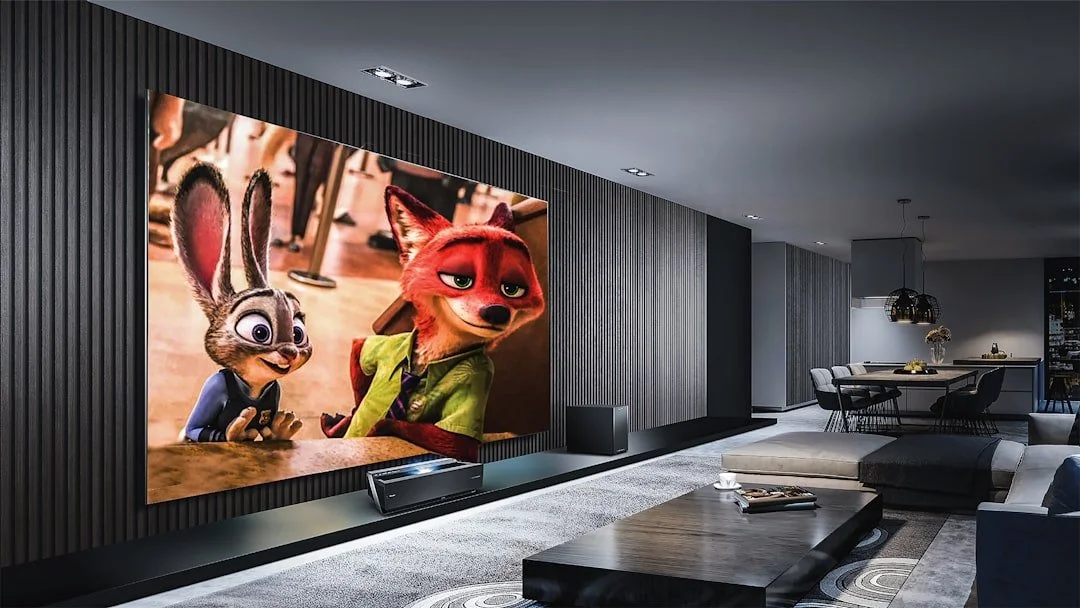
Bias lighting, step lights, and one-tap scenes that vanish when the movie starts and fade back up the moment the credits roll. Concession stand sold separately.
04
Home Podcast Studios
The flicker-free, camera-accurate lighting we build for network broadcast — sized for a spare bedroom. Look like a major show without the major-show overhead.
05
Architecture & Accent
Coves, niches, stair runs, facades, and waterproof exterior runs lit cleanly: no visible diodes, no hot spots, no mystery blue glow at two in the morning.
06
Film, TV & Set Lighting
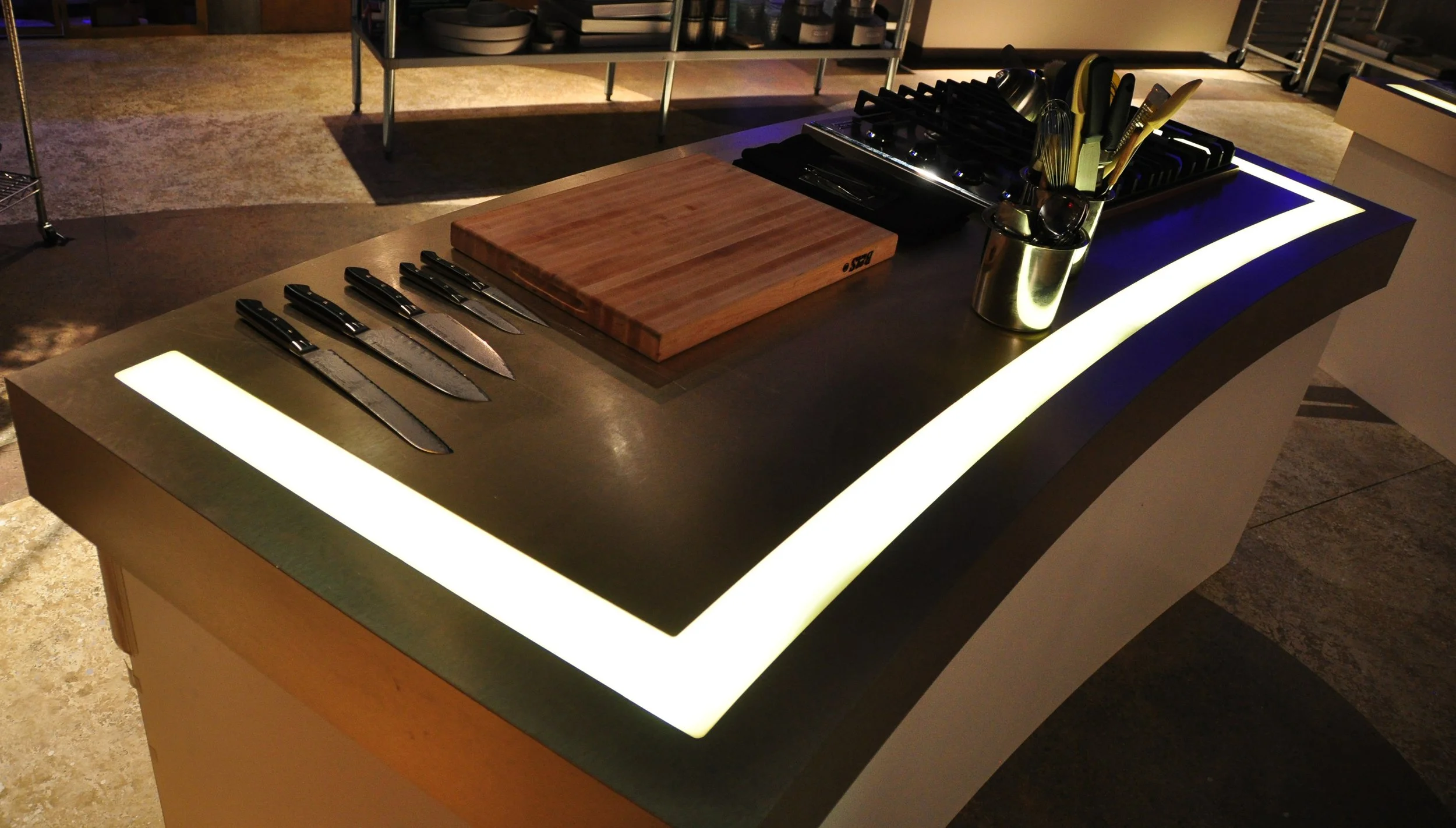
Where we started. Controllable, road-tested LED systems for sets and live production that hold up under heat, deadlines, and a director who just changed their mind.
Why The Camera EYE
We Light Rooms Like Someone's Watching
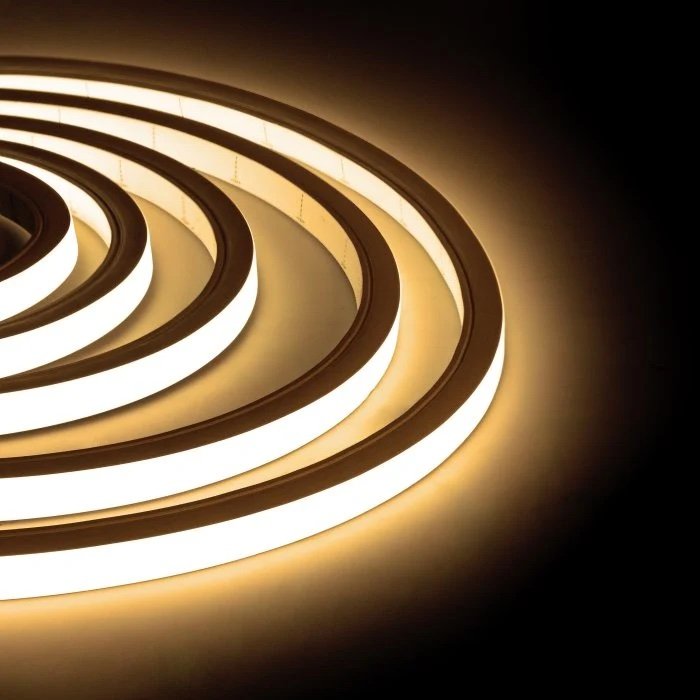
Most installers treat LED as a roll of tape and a power supply. We treat it the way a cinematographer does — as the difference between a space that looks expensive and one that looks like it's trying to. Color temperature, CRI, beam control, dimming curve: every one of them shows up on camera, and every one of them shows up to the human eye too, whether or not anyone can name what's off.
That's the upside of hiring a team that spent more than 25 years lighting for the most unforgiving audience there is — a 4K broadcast camera. We bring that exact standard to your kitchen, your bar, or your studio, then make it dead simple to live with.
How It Works
Design. Install. Control.
Great installations are decided before anyone drills a hole. We spec the right tape, profile, power supply, and color temperature for the room and the way you actually use it, hide the hardware where it belongs, and wire it so the system still works flawlessly long after we've packed up — then hand you control that doesn't require a manual.
01
Design
We plan layout, color, and output for the space before a single fixture goes in — so it's right the first time, not "fixed" the third.
02
Install
Concealed channels, tucked-away drivers, and connections built to outlast the room's next three remodels.
03
Control
Dimmers, presets, wall panels, or an app — the system should be as easy to run as it is to look at.
Questions, Answered
LED Installation FAQ
Do you install LED lighting for homes and businesses, or only film and TV?
Both. We built our name lighting film sets, broadcast studios, and podcast stages, and we now bring that same craftsmanship into permanent residential and commercial installations — kitchens, bars, restaurants, home theatres, and studios. The standard never changes; only the room does.
What does "high-CRI" LED lighting mean, and why does it matter?
CRI, or Color Rendering Index, measures how accurately a light source shows true color. We install systems with a CRI of 95 or higher, so countertops, finishes, food, skin tones, and on-camera footage all look the way they should — never washed out or oddly tinted the way inexpensive LED strip often appears.
What are the advantages of low-voltage LED systems?
Low-voltage LED — typically 24V — runs cool, draws very little power, dims smoothly, and lasts for years, which makes it ideal for built-in lighting you never have to think about again. It's also flexible enough to disappear into coves, cabinetry, stair runs, and tight architectural details.
Can the lighting be dimmed or controlled from an app?
Yes. We can set up dimmers, preset scenes, wall panels, or full app and smart-home control, then spec the right method around how you actually use the room — so the system is as easy to run as it is to look at.
Will the LED strips or hardware be visible once installed?
No. We conceal the channels, hide the drivers and power supplies, and aim for clean, even light with no visible diodes, hot spots, or color shifts. You should see the light, not the equipment that makes it.
Do you only work in Nashville?
We're based in Nashville and available nationwide. Local projects are simple to schedule, and our production background means we're comfortable traveling for larger residential, commercial, and set installations.